Cold laser therapy is a common name used for certain low-level light or photobiomodulation devices. These devices deliver non-heating light energy, but they are not interchangeable: wavelength, power, dose, labeling, and cleared indications can differ from one device to another.
That is why a responsible discussion should begin with an evaluation.
What photobiomodulation means
The U.S. Food and Drug Administration uses the term photobiomodulation for a category of low-level light devices. Depending on the product and its intended use, a device may be regulated under a specific classification and may have a particular 510(k) clearance.
Gilbert Physical Medicine uses the Erchonia XLR8 for in-office care. The FDA classifies it as a prescription Class II device and lists specific adjunctive indications, including temporary relief of minor chronic neck and shoulder pain of musculoskeletal origin and specified postoperative pain uses.
Why an evaluation still matters
Pain can have many causes, and a clinician should first review the symptom history, relevant medical conditions, medications, prior procedures, and examination findings. The next step may involve in-office care, another type of conservative care, additional testing, or referral.
Evidence for low-level light approaches varies by condition, device parameters, and outcome measured. A qualified discussion should describe uncertainty and alternatives rather than implying that the service is appropriate for everyone.
What to ask before a session
- Why is cold laser being considered for my situation?
- What benefits are reasonably expected, and what remains uncertain?
- What warnings, precautions, or alternatives apply?
- How will response and tolerance be monitored?
- What would cause the plan to stop or change?
Share all medications and health conditions, including any history of light sensitivity. Device-specific precautions should be reviewed with the clinician.
In-office XLR8 care and optional Move+ home support
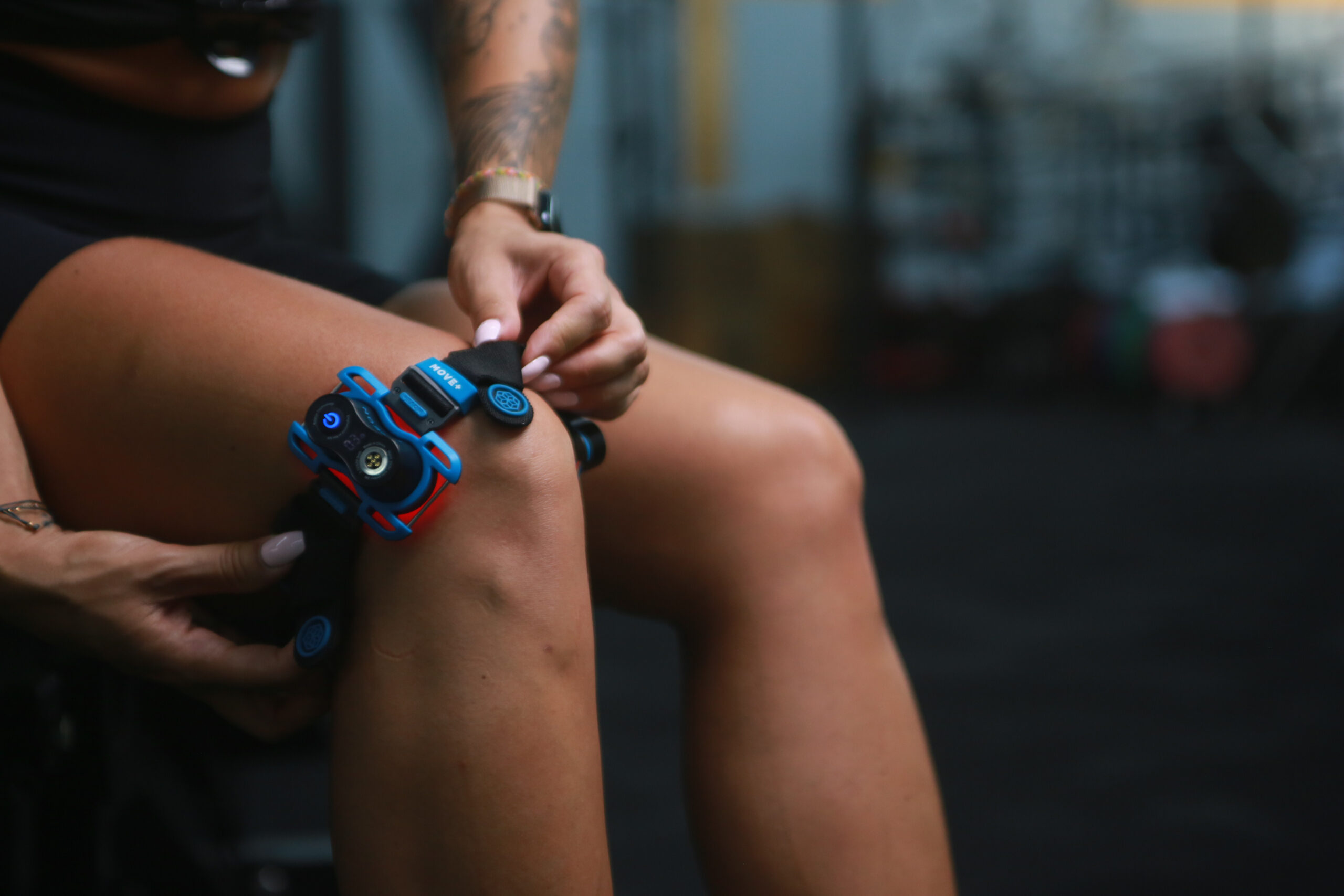
When appropriate, cold laser may be considered as one component of a broader plan rather than a standalone promise. At GPM, the Erchonia XLR8 is used in the office. For people who want a home-care option, the Kineon Move+ is a wearable red-light and near-infrared device that may be discussed separately as optional home support.
The Move+ is not the same device as the prescription XLR8, and its features, labeling, intended uses, precautions, and evidence should be considered on their own. Ask your clinician whether any light-based home device is appropriate for you and how it would fit with the rest of your plan.
Explore the Kineon Move+ through GPM’s affiliate link. If you purchase through this link, GPM may receive a commission at no additional cost to you.
Other steps may include activity guidance, movement work, home recommendations, or coordination with another professional.
Learn about the clinic’s cold laser therapy service and related pain-control care. To ask whether an evaluation is appropriate, request an appointment.
Educational disclaimer: This article provides general information and does not diagnose a condition, determine candidacy, or promise an outcome. Device indications, warnings, precautions, and regulatory status apply to the exact product used.
Further reading
Gilbert Physical Medicine
725 W Elliot Rd Suite #115, Gilbert, AZ 85233
480-545-0000 | www.gpmedaz.com