Author: Curt Casady

  • Knee Pain in Gilbert: Take the First Step Back to Confident Movement

    Knee Pain in Gilbert: Take the First Step Back to Confident Movement

    When knee pain starts deciding how far you walk, whether you take the stairs, or which activities you skip, it is time for clearer answers. Knee pain may begin after an injury, build gradually, or change as your activity changes. Because several structures and health conditions can create similar symptoms, the most useful first step is an evaluation—not a guess.

    Gilbert Physical Medicine offers a practical starting point for Gilbert area adults who want to understand what may be contributing to their knee discomfort and which conservative options may fit their situation.

    Why knee pain can have more than one contributor

    The knee includes bones, cartilage, ligaments, tendons, muscles, and other tissues that work together. Symptoms may relate to a recent injury, repeated loading, changes associated with osteoarthritis, or movement limitations elsewhere in the leg.

    The location, timing, and behavior of symptoms matter. For example, discomfort after a sudden twist may require a different assessment than stiffness that has progressed over months. A clinician may also consider previous injuries, work and recreational demands, medications, and other health conditions.

    What a knee evaluation may include

    An evaluation generally begins with a conversation about when the symptoms started, what makes them better or worse, and how they affect daily activity. The physical examination may look at swelling, tenderness, range of motion, strength, balance, gait, and the movement of nearby joints.

    Imaging is not automatically needed for every person. When it could change the next step, a clinician may discuss an X-ray or other study and explain what it can, and cannot, show. Referral to another medical professional may be appropriate when symptoms or examination findings fall outside the clinic’s scope.

    A plan built around your knee and your life

    The appropriate plan depends on the evaluation. Options may include temporary activity modification, progressive movement or strengthening guidance, home-care education, bracing when appropriate, and coordination with another health professional.

    Gilbert Physical Medicine may also discuss services such as knee decompression or cold laser therapy when the evaluation and the specific service indications support doing so. These services are not appropriate for every cause of knee pain, and no device or procedure can promise a particular result.

    People who want to remain active may also benefit from a broader discussion of movement demands through sports medicine care. The goal is to match the next step to the person’s symptoms, health history, and the activities they want to keep doing.

    Start with the $59 New Patient Knee Special

    Ready to stop guessing about your knee? The $59 New Patient Knee Special gives you a clear, low-pressure first step. It includes:

    • A consultation to see whether the offer is appropriate for you
    • A knee X-ray if needed
    • A cold laser session
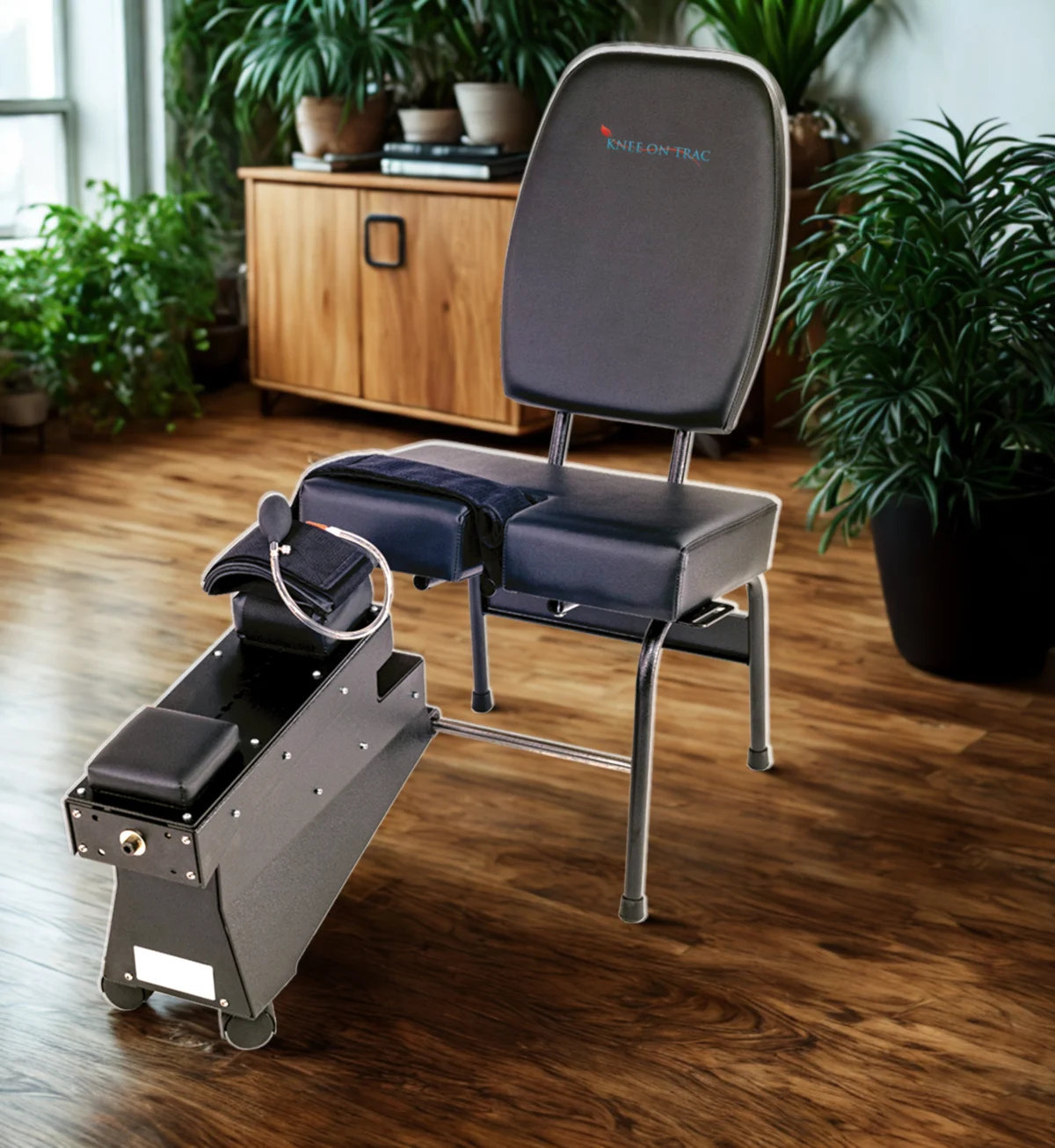
    • A Knee On Trac session
    • A customized plan of care

    See the $59 Knee Special and request your evaluation. Candidacy is determined during the evaluation, and an online request is not a confirmed appointment.

    When knee pain needs prompt medical attention

    Seek prompt medical care after a major injury, or when the knee looks deformed, cannot bear weight, becomes very swollen, locks, or is accompanied by redness, warmth, fever, new numbness, or other concerning symptoms. These signs should not be managed only with self-care or an online article.

    Preparing for an appointment

    It can help to bring a list of medications, prior imaging or reports, and a short timeline of the symptoms. Note which activities are limited and any recent changes in work, exercise, or footwear. Clear information helps the clinician decide whether an in-office plan, additional testing, or referral is the most appropriate next step.

    For more information, visit the knee pain condition page or request an appointment for an individual evaluation.

    Educational disclaimer: This article provides general information and does not diagnose a condition, determine candidacy, or replace an examination by a qualified health professional. Seek urgent or emergency care for severe or rapidly worsening symptoms.

    Gilbert Physical Medicine
    725 W Elliot Rd Suite #115, Gilbert, AZ 85233
    480-545-0000 | www.gpmedaz.com

  • Pickleball Chiropractic Care in Gilbert: Keep Moving With Confidence

    Pickleball Chiropractic Care in Gilbert: Keep Moving With Confidence

    Pickleball asks a lot from the body: quick starts, sudden stops, rotation, reaching, and repeated side-to-side movement. When pain, stiffness, or limited motion begins changing your serve, your footwork, or how often you play, sports focused care should begin by understanding you, not by promising a faster recovery or better performance.

    This guide describes what an evaluation may include, how a plan can support mobility and activity goals, and why return-to-activity decisions should be individualized.

    Start with your game and your symptoms

    A useful history includes when symptoms began, recent changes in playing frequency or equipment, prior injuries, and the movements that are now difficult. Your clinician may ask about serving, reaching, rotating, changing direction, bending for low shots, or moving at the kitchen line. Sleep, work demands, medications, and other health conditions can also affect the plan.

    During the examination, the clinician may assess posture, joint motion, strength, balance, gait, and sport-specific movements when safe. The findings help determine whether care is appropriate in the clinic or whether imaging, medical evaluation, or referral should come first.

    What sports-focused chiropractic care may include

    Depending on the evaluation, a plan may include chiropractic manipulation or mobilization, soft-tissue approaches, movement guidance, and home recommendations. Spinal manipulation is one option among several; research suggests it may provide improvements in pain or function for some people with low back pain, but responses vary.

    Before any hands-on approach, the clinician should discuss expected benefits, common temporary effects, relevant risks, alternatives, and the person’s preferences. Existing medical conditions and medications should be shared because they may change what is appropriate.

    Learn more about the clinic’s broader sports medicine care and chiropractic services.

    Returning to the court is a progression

    A return to pickleball may involve temporary adjustments to playing time, intensity, warm-up, court movement, or shot selection. Progress is usually based on symptom behavior, function, and the demands of the game, not a fixed promise or universal timetable.

    Sharp or constant pain, new weakness or numbness, significant swelling, a joint that feels hot or red, inability to bear weight, or symptoms after a head injury warrant appropriate medical assessment.

    Questions to ask before beginning care

    • What did the evaluation identify, and what remains uncertain?
    • What is the goal of each recommended service?
    • What alternatives are available?
    • How will progress be measured?
    • What symptoms should prompt a pause, referral, or urgent evaluation?
    • How will care coordinate with other health professionals involved?

    If pain or limited movement is keeping you from playing the way you want, request an appointment to discuss an individual evaluation and practical next steps for getting back on the court.

    Educational disclaimer: This article provides general information and does not diagnose an injury, determine readiness to participate, or replace individualized medical guidance. Seek urgent or emergency care for severe, rapidly worsening, neurological, or head-injury symptoms.

    Gilbert Physical Medicine
    725 W Elliot Rd Suite #115, Gilbert, AZ 85233
    480-545-0000 | www.gpmedaz.com
  • Cold Laser Therapy in Gilbert: In-Office Care and At-Home Support

    Cold Laser Therapy in Gilbert: In-Office Care and At-Home Support

    Cold laser therapy is a common name used for certain low-level light or photobiomodulation devices. These devices deliver non-heating light energy, but they are not interchangeable: wavelength, power, dose, labeling, and cleared indications can differ from one device to another.

    That is why a responsible discussion should begin with an evaluation.

    What photobiomodulation means

    The U.S. Food and Drug Administration uses the term photobiomodulation for a category of low-level light devices. Depending on the product and its intended use, a device may be regulated under a specific classification and may have a particular 510(k) clearance.

    Gilbert Physical Medicine uses the Erchonia XLR8 for in-office care. The FDA classifies it as a prescription Class II device and lists specific adjunctive indications, including temporary relief of minor chronic neck and shoulder pain of musculoskeletal origin and specified postoperative pain uses.

    Why an evaluation still matters

    Pain can have many causes, and a clinician should first review the symptom history, relevant medical conditions, medications, prior procedures, and examination findings. The next step may involve in-office care, another type of conservative care, additional testing, or referral.

    Evidence for low-level light approaches varies by condition, device parameters, and outcome measured. A qualified discussion should describe uncertainty and alternatives rather than implying that the service is appropriate for everyone.

    What to ask before a session

    • Why is cold laser being considered for my situation?
    • What benefits are reasonably expected, and what remains uncertain?
    • What warnings, precautions, or alternatives apply?
    • How will response and tolerance be monitored?
    • What would cause the plan to stop or change?

    Share all medications and health conditions, including any history of light sensitivity. Device-specific precautions should be reviewed with the clinician.

    In-office XLR8 care and optional Move+ home support

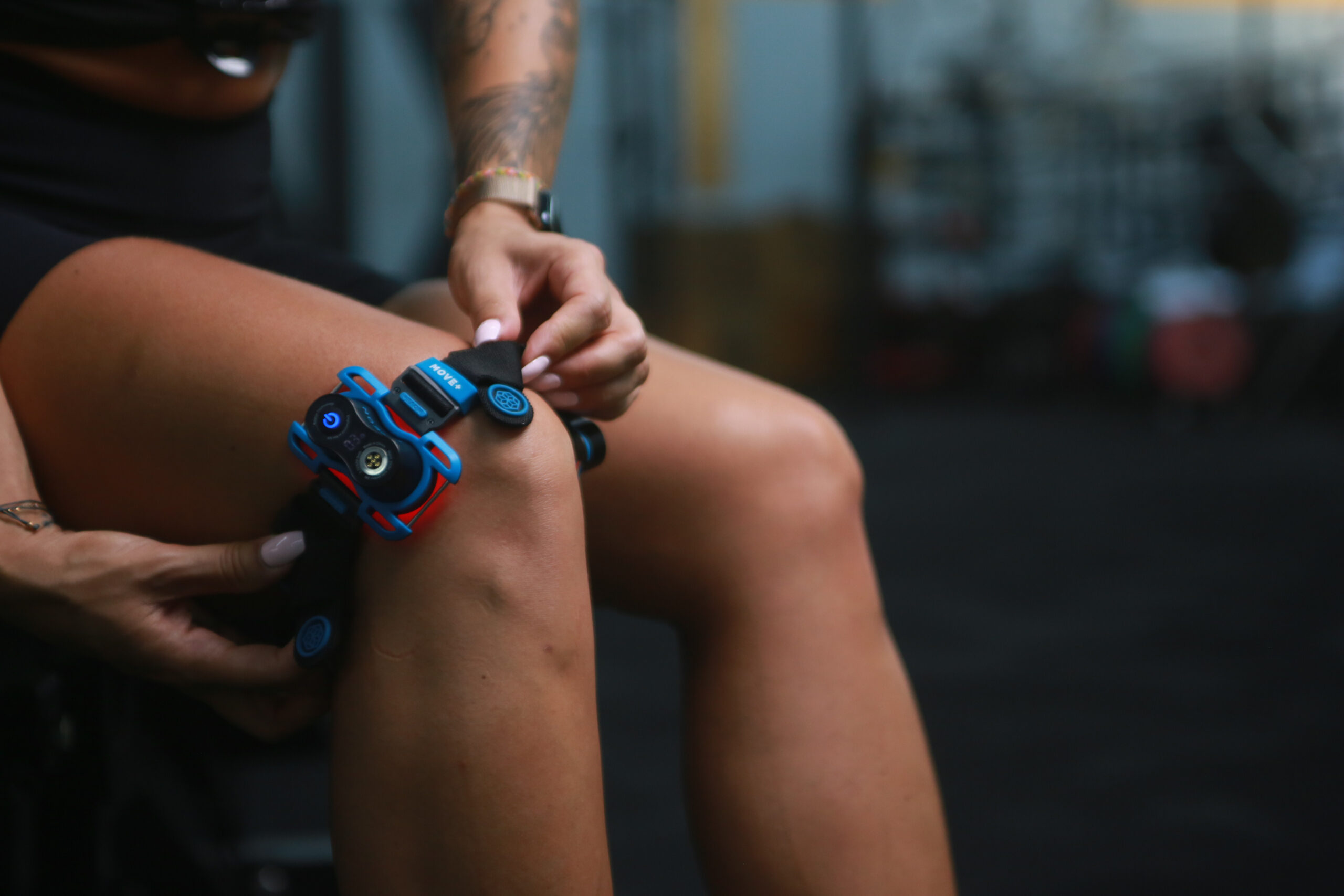
    When appropriate, cold laser may be considered as one component of a broader plan rather than a standalone promise. At GPM, the Erchonia XLR8 is used in the office. For people who want a home-care option, the Kineon Move+ is a wearable red-light and near-infrared device that may be discussed separately as optional home support.

    The Move+ is not the same device as the prescription XLR8, and its features, labeling, intended uses, precautions, and evidence should be considered on their own. Ask your clinician whether any light-based home device is appropriate for you and how it would fit with the rest of your plan.

    Explore the Kineon Move+ through GPM’s affiliate link. If you purchase through this link, GPM may receive a commission at no additional cost to you.

    Other steps may include activity guidance, movement work, home recommendations, or coordination with another professional.

    Learn about the clinic’s cold laser therapy service and related pain-control care. To ask whether an evaluation is appropriate, request an appointment.

    Educational disclaimer: This article provides general information and does not diagnose a condition, determine candidacy, or promise an outcome. Device indications, warnings, precautions, and regulatory status apply to the exact product used.

    Further reading

    Gilbert Physical Medicine
    725 W Elliot Rd Suite #115, Gilbert, AZ 85233
    480-545-0000 | www.gpmedaz.com
  • Why Choose Gilbert Physical Medicine for Chiropractic Care?

    Why Choose Gilbert Physical Medicine for Chiropractic Care?

    The right chiropractor should offer more than a one-size-fits-all adjustment. Your health history, goals, comfort level, and the reason you are seeking care should shape the plan.

    Gilbert Physical Medicine combines chiropractic care with medical services in one integrated practice. That means you can begin with a careful evaluation, discuss different styles of care, and receive coordinated recommendations when your situation may benefit from another member of the clinical team.

    1. Verify the Arizona license

    Arizona chiropractic physicians are licensed through the State of Arizona Board of Chiropractic Examiners. The Board’s public directory can show whether a license is active and provide information about disciplinary actions or restrictions. The online record does not include every historical action; contact the Board when you need a fuller public record.

    Licensure is an essential starting point, but it does not answer every question about fit. Ask about the clinician’s education, relevant experience, and approach to the concern you want evaluated.

    2. Choose an adjustment style that fits you

    Some patients prefer traditional hands-on chiropractic adjustments. Others want a gentler, low-force approach without the quick movement or audible “popping” commonly associated with an adjustment.

    GPM offers both traditional adjustments and low-force options. Your chiropractor can explain the approach, answer questions, and adapt care to your preferences and clinical findings. You should never feel pressured into a technique that does not feel right for you.

    3. Look for a real evaluation process

    An appropriate first visit should include time to discuss symptoms, medical history, medications, prior injuries, and current goals. The examination should relate to the concern being evaluated, and the clinician should explain the findings in plain language.

    Be cautious when a recommendation is made before an adequate history and examination, or when one plan is presented as appropriate for everyone.

    4. Ask how options, risks, and alternatives are explained

    Good communication includes what a recommended service is intended to do, the expected limits, common temporary effects, relevant risks, reasonable alternatives, and circumstances that warrant referral. You should have an opportunity to ask questions and make an informed choice.

    5. Look for chiropractic and medical services that connect the dots

    Health care is often collaborative. At GPM, chiropractors and medical staff work within the same integrated practice. When appropriate, that structure can make it easier to coordinate evaluation, conservative care options, medical input, or referral instead of asking you to navigate every next step alone.

    NCCIH advises choosing a complementary health practitioner with the same care used for a conventional provider and looking for willingness to coordinate with other clinicians.

    6. Understand the plan and financial expectations

    Before beginning, ask:

    • What is the working clinical impression, and what remains uncertain?
    • What is the goal of the proposed plan?
    • How will progress be measured?
    • When will the plan be reassessed?
    • What alternatives are available?
    • What are the expected fees, and what should I verify with my insurer?

    Avoid assuming that a service is covered. Benefits, limitations, and out-of-pocket costs vary by plan.

    7. Notice the quality of the conversation

    A useful consultation should feel clear and respectful. The clinician should listen to your goals, answer questions without pressure, and avoid guarantees, fear-based messages, or claims that only one clinic can help.

    Why patients consider GPM

    • Traditional hands-on and gentler low-force adjustment options
    • Chiropractic and medical services under one roof
    • An evaluation before recommendations are made
    • Clear explanations of options, risks, alternatives, and next steps
    • Care shaped around your comfort, goals, and clinical findings

    Learn more about chiropractic care at Gilbert Physical Medicine and the clinic’s approach. If you would like to find the approach that feels right for you, request an appointment.

    Educational disclaimer: This checklist provides general consumer information. It does not endorse a specific clinician, diagnose a condition, or determine whether chiropractic care is appropriate for an individual.

    Further reading

    Gilbert Physical Medicine
    725 W Elliot Rd Suite #115, Gilbert, AZ 85233
    480-545-0000 | www.gpmedaz.com